
CERAMIX STAIN vs GC Low-Temperature Glaze Paste
A Practical Selection Guide for Dental Laboratories
Exceptional characterization is the key step that takes restorations from a “machine-made” look to a natural, lifelike appearance. This article systematically compares the Japanese industry benchmark GC ceramic glazing and staining system (GC Initial Lustre Pastes NF and GC Initial Spectrum Stains) with the CERAMIX STAIN low-temperature glaze paste line, helping laboratories make informed decisions based on temperature, time, detail retention, shade range, and cost.
Title: CERAMIX STAIN Low-Temp Glaze Paste vs GC Initial Lustre Pastes NF | High-Value Alternative for Dental Ceramic Staining
Meta Description: CERAMIX STAIN low-temperature glaze paste (730–800°C, ~15 min fast firing, no detail loss) fully compared with GC Initial Lustre Pastes NF. Covers firing parameters, glazing process, shades, fluorescence, and cost. Compatible with zirconia and all ceramic types.
Core Keywords: CERAMIX STAIN, GC Initial Lustre Pastes NF, GC low-temp glaze alternative, Lustre Paste alternative, dental low-temperature glaze, ceramic staining, zirconia glaze paste, dental ceramic stain, low-temp glaze manufacturer
Long-tail Keywords: GC Lustre Paste alternative, high-value dental glaze paste, 730°C low-temp glaze, 15-minute fast firing glaze, zirconia characterization, dental lab glaze selection, fluorescent dental glaze
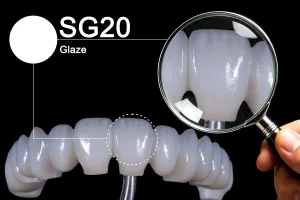
CERAMIX STAIN Key Parameters (tested): Firing temperature 730–800°C (low-temp range); fast firing ~15 minutes; approx. 20 shades (G01–G19 with built-in fluorescence, G20 non-fluorescent); no blurring or loss of polished surface texture after firing; compatible with dental zirconia and all ceramic types (feldspathic, glass-ceramic, etc.), globally applicable.
Application Results
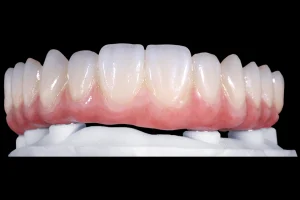
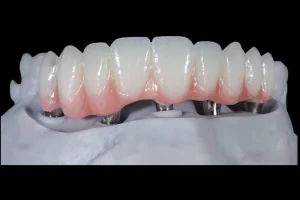
The following images show real application results of CERAMIX STAIN low-temperature glaze paste, demonstrating high gloss, natural transitions, and excellent detail retention.
1. Overview of the Two Systems
GC Ceramic Glazing & Staining System
- A mature product system from Japan’s GC Corporation. GC Initial Lustre Pastes NF is the flagship – a low-temperature glaze paste that combines glazing and characterization in a single firing. It is complemented by GC Initial Spectrum Stains.
- Typically used with GC’s own ceramics (Initial Zirconia, Initial LiSi, Initial MC, etc.), forming a closed and highly matched workflow.
- A leading Japanese premium brand with strong brand equity and high-end pricing.
CERAMIX STAIN
- A low-temperature glaze and staining line designed for everyday characterization in dental laboratories. Firing range 730–800°C with support for ~15-minute fast firing cycles.
- Approximately 20 shades (G01–G20): Bright Red, Deep Red, Pink, Light Pink, Brown, Antique Copper, Khaki, Orange, Yellow, Green, Dark Green, Dark Blue, Light Blue, Lilac, Black, Off-White, White, Gray. G01–G19 feature built-in fluorescence; G20 is non-fluorescent.
- Broad material compatibility: dental zirconia + all ceramic types (feldspathic, glass-ceramic, etc.), suitable for global use.
- Excellent detail retention: no blurring or loss of polished surface texture after firing, maximizing natural tooth surface details.
- Flexible supply: direct from manufacturer, OEM/private-label support, flexible MOQ, and stable bulk supply. Learn more on our product page.
2. Side-by-Side Comparison
The comparison below is based on CERAMIX STAIN tested parameters and publicly available typical values for the GC system. For formal decisions, please verify against official IFU / COA.
Comparison Dimension | CERAMIX STAIN | GC (Lustre Pastes NF / Spectrum Stains) |
Positioning | High-value, task-oriented glaze + stain system | Premium, brand-driven Japanese system |
Origin / Brand Strength | Direct from manufacturer, OEM/ODM supported | Japan GC – strong global brand recognition |
Type / Composition | Low-temp glaze + stains (G01–G20, G01–G19 fluorescent) | Lustre Paste (glaze + characterization in one) + Spectrum Stains |
Primary Substrates | Dental zirconia + all ceramics (feldspathic, glass-ceramic), global use | GC Initial ceramic series and compatible ceramics |
Firing Temperature | 730–800 °C | ~750–800 °C (low-temp glaze range)* |
Firing Time | ~15 minutes (fast firing) | Standard low-temp firing (depends on furnace)* |
Glazing Process | Low-fusing paste – glaze + characterization in one step | Lustre Paste focuses on single-firing glaze + characterization |
Detail Retention | Clear details after firing; no blurring or loss of polished texture | Good detail performance* |
Fluorescence | G01–G19 built-in fluorescence (G20 non-fluorescent) | Natural fluorescence designed throughout the shade range |
Shade Range | ~20 shades (G01–G20), rich color selection | Wide shade range (including Spectrum series) |
Unit Cost | Low cost – preserves high margins for labs and distributors | Premium price segment |
Procurement Model | Flexible MOQ, private-label available, stable bulk supply | Standard brand distribution terms |
* Competitor parameters are typical publicly available ranges for the category and are for reference only. Always verify with official IFU / COA before formal use.
3. Where CERAMIX STAIN Excels
- Detail retention & no over-glazing: 730–800°C low temperature + ~15-minute fast firing keeps surface texture sharp and natural after firing.
- Protecting margins: Unit cost is the top driver for high-volume laboratories. Achieve the same level of characterization, glazing, and fluorescence at a fraction of the premium-system cost.
- Complete shade range: 20 shades (G01–G20, G01–G19 fluorescent) simplifies inventory. View the full shade guide.
- Broad material compatibility: Suitable for dental zirconia and all ceramic restorations (feldspathic, glass-ceramic, etc.), globally applicable.
- Flexible supply: Direct manufacturer supply, OEM/private-label options, and flexible MOQ with reliable bulk delivery.
4. Where GC Still Leads
- Brand equity: High-end clinics and certain government tenders continue to value the GC brand.
- Ecosystem integration: Laboratories already standardized on GC ceramics enjoy high compatibility and low switching risk.
- Application support: Extensive official documentation, training courses, and technical support network.
5. How to Choose
- High-volume commercial laboratories → Prefer CERAMIX STAIN (730–800°C, ~15 min, excellent detail retention).
- Distributors / private-label brands → Prefer CERAMIX STAIN (flexible MOQ + strong margin potential).
- Already standardized on GC ceramics or required brand workflows → GC remains the natural choice.
- Hybrid strategy: Use GC for showcase / high-visibility cases and CERAMIX STAIN for daily production volume – balancing quality and efficiency.
6. Conclusion
If your goal is natural characterization, a ~20-shade palette with fluorescence, firing at 730–800°C in about 15 minutes without blurring or loss of polished details, broad compatibility across zirconia and ceramics, and strict cost control — CERAMIX STAIN is purpose-built for this. GC remains a reliable premium choice backed by strong brand equity.
Need samples or a shade guide?
Tell us your target shades, case volume, and target markets. We will provide the CERAMIX STAIN shade guide, technical data sheets, and bulk pricing. You can also request a free sample or view full product specifications.