
Single-Tooth Full Crown Restoration with Permanent Crown Resin under ZONMED Digital Workflow
Abstract
With the development of intraoral scanning, CAD/CAM, and dental 3D printing technologies, full crown restoration is gradually moving towards digitalization and chairside application. This article reports a complete process of single-tooth full crown restoration for a patient with extensive posterior tooth defect after root canal treatment, involving digital impression taking, CAD design, and 3D printing with Permanent Crown resin. It also discusses material selection, printing parameters, post-processing, and process control, providing a workflow reference for similar restorations.
Keywords: Digital Dentistry; Permanent Crown Resin; 3D Printing; Full Crown Restoration; Material Compatibility
I. Background
Traditional full crown restoration relies on laboratory impressions and manual or casting fabrication, resulting in a lengthy process with multiple steps, where restoration quality is significantly influenced by human factors. The digital workflow replaces traditional impressions with intraoral scanning, completes morphological design via CAD, and then fabricates the restoration through 3D printing or milling, which can shorten the production cycle, improve repeatability, and enhance patient experience.
High-performance permanent crown resin, as a light-curing material directly applicable to permanent posterior restorations, balances exceptional posterior crown strength, superior wear resistance, and natural aesthetics. It is widely applied in posterior full crowns and bridges, making it a foundational element in modern chairside workflow integration for digital dental clinics.
II. Case Information
Basic Patient Information
- Age: 42
- Gender: Male
- Tooth of Concern: Upper Right First Molar (#16)
Patient’s Chief Complaint
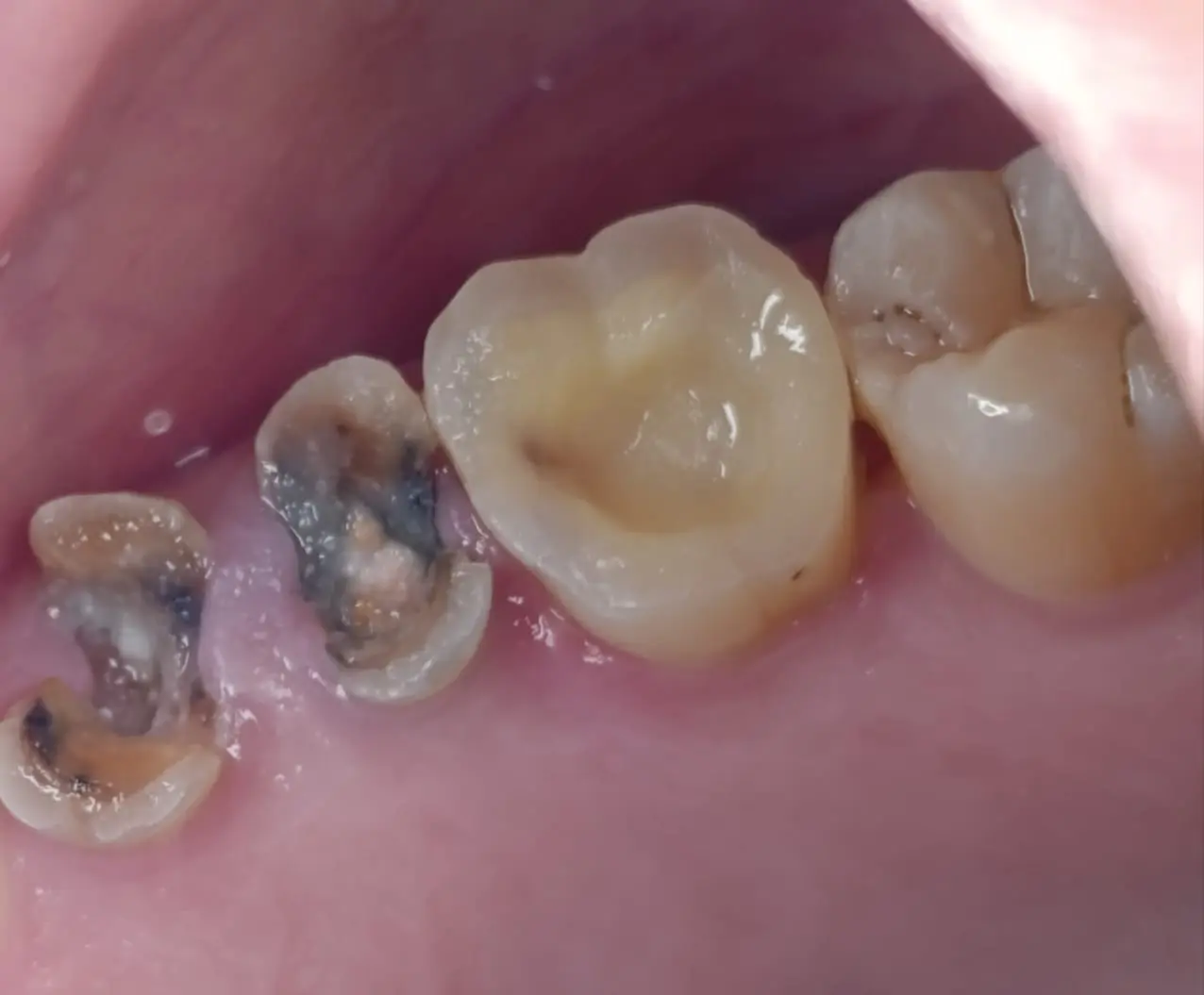
Discomfort when biting on posterior teeth, chewing function impaired by the defect; desires restoration of morphology and occlusion, with requirements for natural color, tight marginal fit, and no significant foreign body sensation.
Clinical Examination
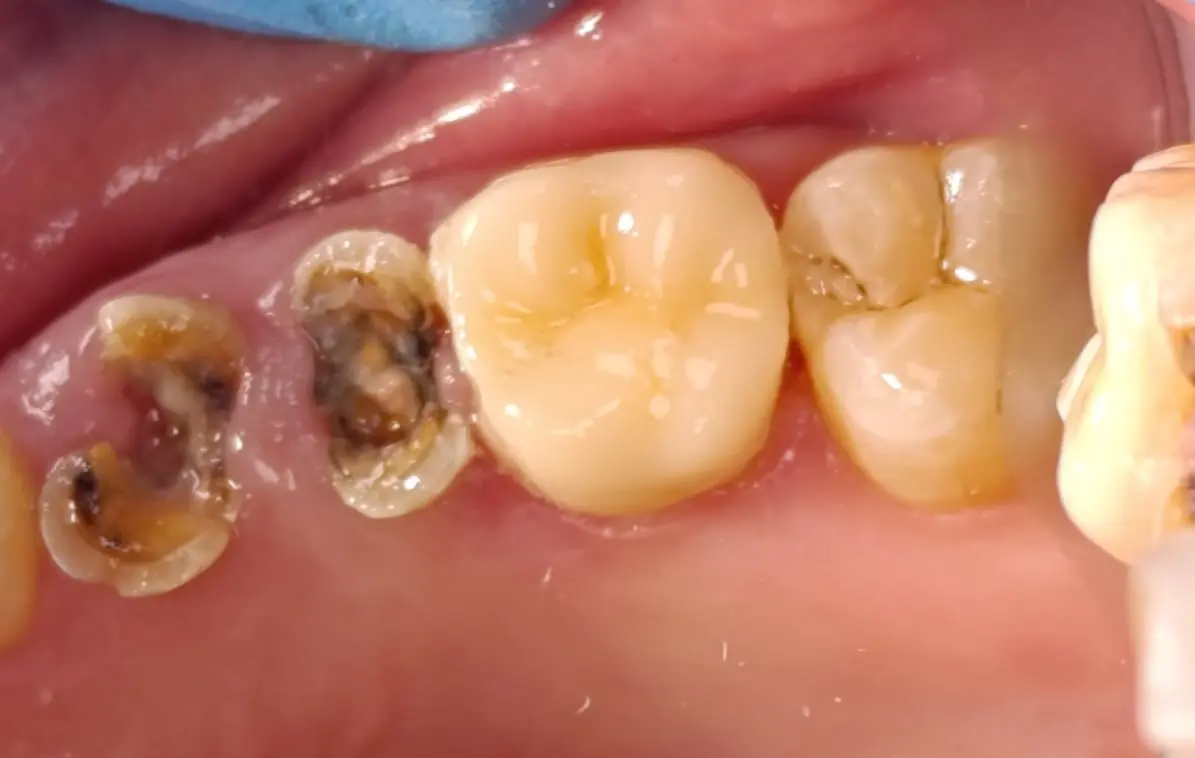
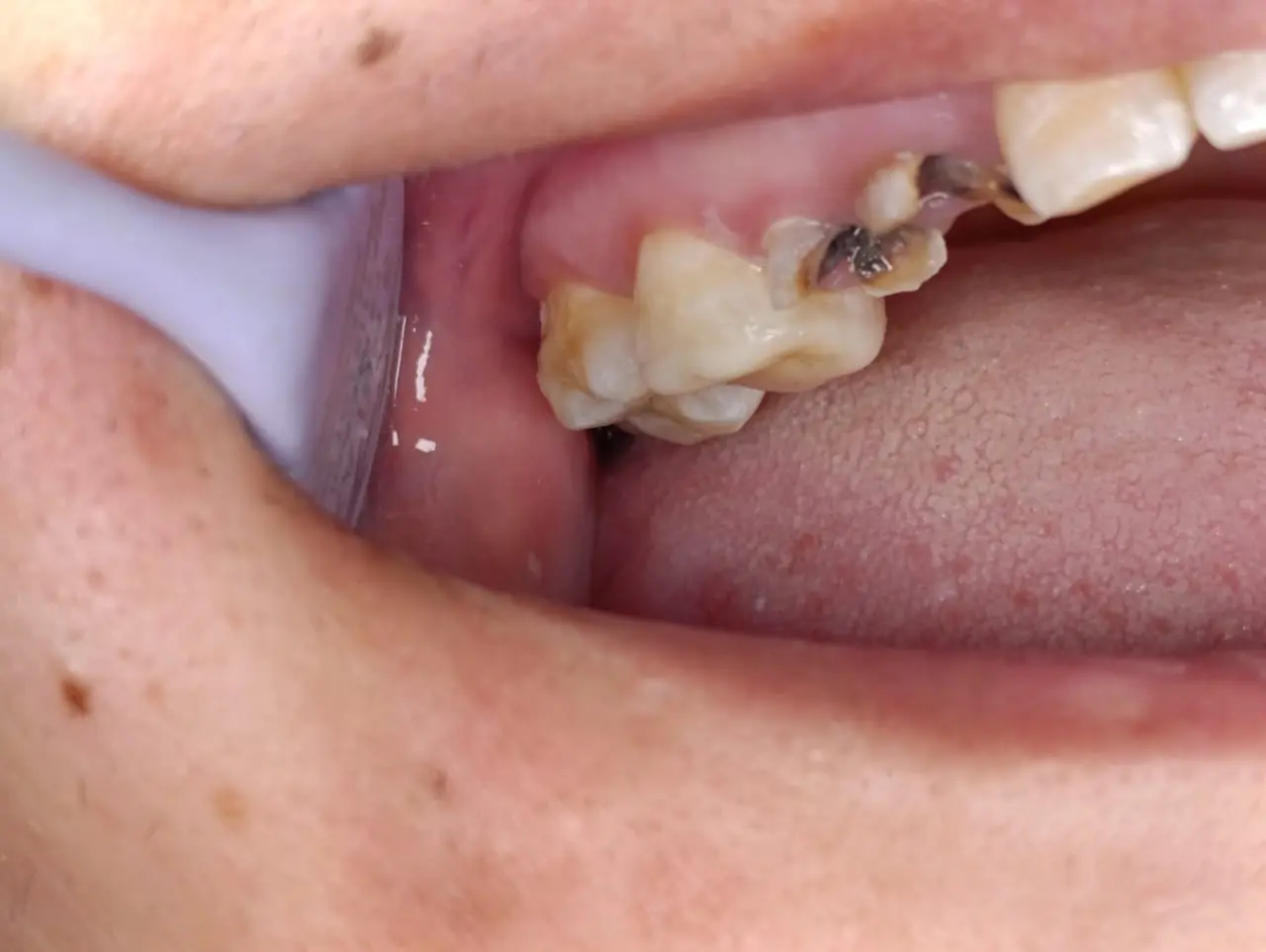
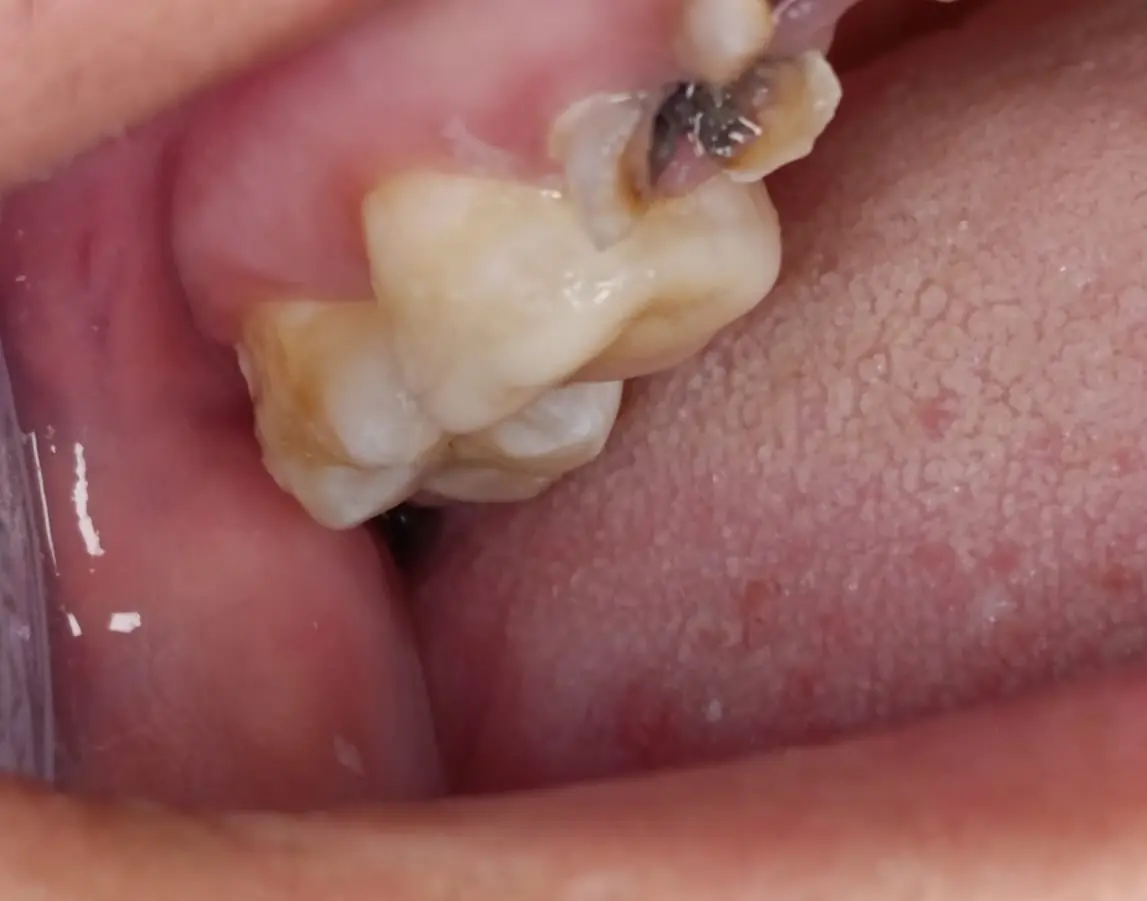
Intraoral examination reveals extensive tooth defect on #16 with darkened tooth color; imaging shows satisfactory root filling, no periapical lesions; adjacent and opposing teeth show no significant abnormalities.
III. Preoperative Assessment and Digital Design
Clinical Problem & Treatment Goals
Extensive tooth defect with insufficient remaining tooth structure strength, requiring a permanent crown restoration that is high-strength, wear-resistant, aesthetically pleasing, and with a tight marginal fit. The goal is to restore masticatory function and anatomical form while strictly complying with rigorous permanent crown resin biocompatibility guide standards.
Digital Workflow
- Intraoral scanning for impression
- CAD full crown design
- 3D printing utilizing high-grade crown resin for 3D printing
- Post-processing and specialized staining
- Clinical try-in and cementation
IV. Material Selection and Printing Parameters
Material Selection
Product Name: Permanent Crown Resin Permanent Crown
Material Type: Dental light-curing permanent crown resin engineered for high hardness and molar crown durability.
Applicable Area: Posterior full crown / bridge.
Printing Parameters
| Parameters | Set Value |
|---|---|
| Printing Device | Ackuretta SOL(DLP,385 nm) |
| Layer Thickness | 0.05 mm |
| Bottom Layers | 4 |
| Bottom Exposure | Calibrated by Device |
| Normal Exposure | 2.6 s |
| Post-Curing | As per Material Instructions |
Compatibility: Printer × Permanent Crown Resin: Compatible (verified). It is recommended to check the official 3D printer compatibility list and print a small test piece using recommended parameters for initial use to confirm dimensions and adhesion before batch production.
V. Fabrication and Post-Processing Workflow
Step 01|Digital Impression and Design
Obtain working model, opposing arch, and occlusion relationship via intraoral scanning; complete full crown contour, margin, and occlusion design using CAD; export STL for printing.
Step 02|3D Printing
Import and arrange the model; print according to the parameters in the table above. After printing, carefully remove from the build platform, avoiding forceful separation that may cause deformation.
Step 03|Post-processing and Staining
- Cleaning: IPA ultrasonic for 2–3 min, avoid over-washing.
- Drying: Clean compressed air or natural drying.
- Post-curing: Perform according to material instructions (avoid over-curing).
- Finishing and Polishing: Stepwise grinding and polishing to remove supports and layer lines.
- Staining: Apply polymer stain in thin, multiple layers, curing each layer (385–405 nm cure for 30 s) to match adjacent tooth shade.
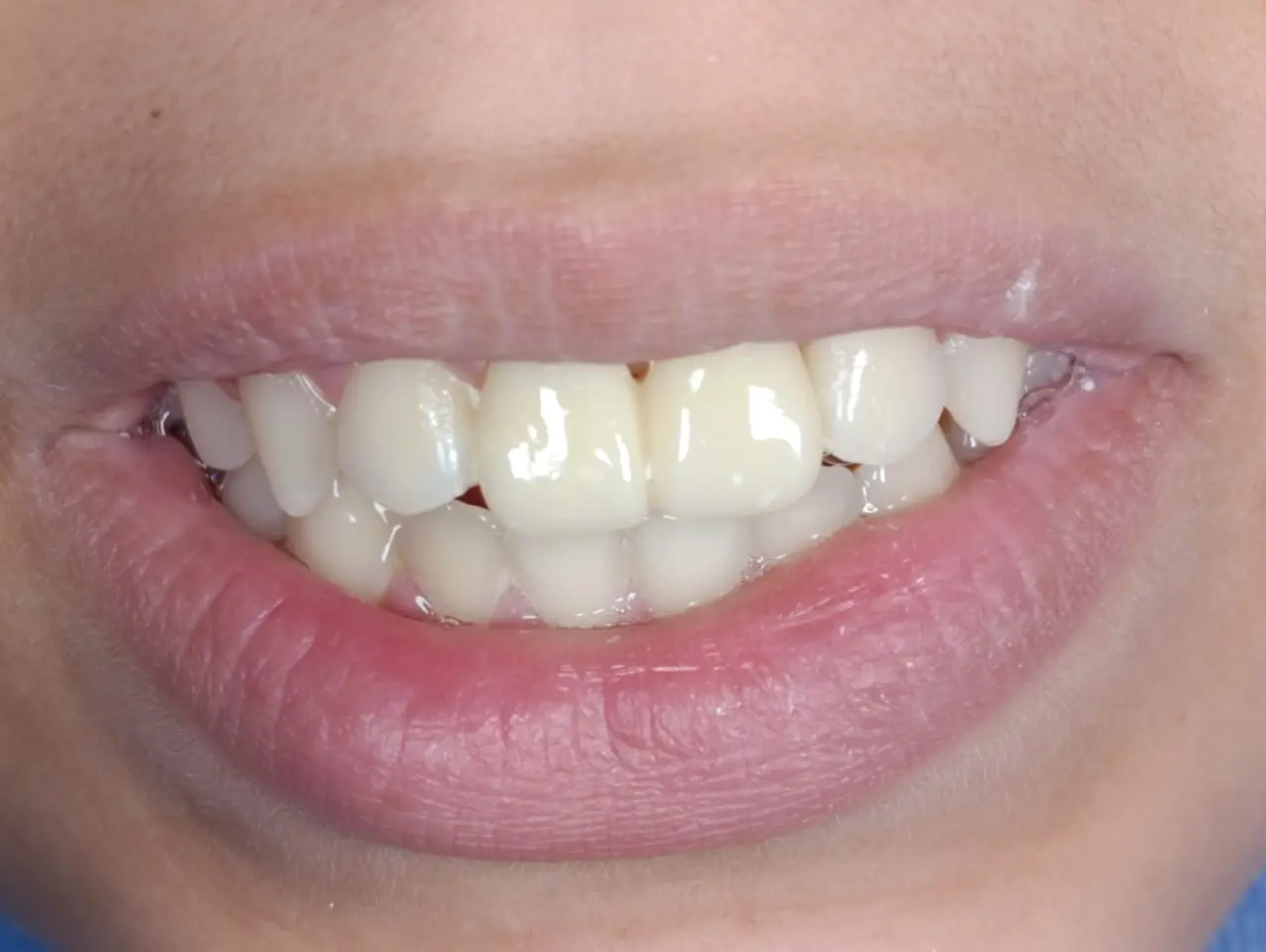
VI. Clinical Restoration and Outcome
Intraoral try-in, check margins and proximal contacts, adjust occlusion for even contact, clean, then complete seating and light-curing according to established cementation protocols.
| Evaluation Item | Result |
|---|---|
| Marginal Fit | Tight fit, no obvious step with probe |
| Interproximal Contact | Good contact restoration, no food impaction |
| Occlusion | Even occlusion, no obvious high spots |
| Morphology | Natural anatomical shape, harmonious with contralateral side |
| Color | Matches adjacent teeth, natural transition |
| Surface Finish | Smooth, no obvious layer lines |
| Patient Satisfaction | Satisfied |
VII. Discussion & FAQ
Why choose Permanent Crown Resin for posterior teeth?
Permanent crown resin offers optimized mechanical properties, excellent wear resistance, and long-term stability specifically tailored for molar crowns and multi-unit bridges, ensuring high survival rates under masticatory load.
How to optimize the 3D printing workflow for dental permanent crowns?
Adhering to validated layer thickness settings (e.g., 0.05 mm), strict post-curing timing, and precise optical staining guarantees optimal aesthetic results and seamless clinical integration.
VIII. Conclusion
This case demonstrates that using digital impression taking, CAD design, and Permanent Crown resin 3D printing can efficiently complete single-tooth posterior full crown restoration, balancing function and aesthetics[cite: 6]. Standardized parameter settings, post-processing, and process control are key to ensuring restoration quality and repeatability.
Related Technical Categories: Permanent Crown Resin Workflow, Dental 3D Printing Materials, High Hardness Crown Resin, Digital Dentistry Case Studies, Chairside Restoration Protocols.